The tragic and controversial death of Carlos Gurrola has reopened one of the most painful conversations in Mexico: How far should the law go to protect the victims of bullying?
His death —surrounded by doubts and unanswered questions— exposes the darkest side of school and workplace harassment and reveals how fragile the Mexican legal framework remains against bullying in Mexico.

Definition and Types of Bullying
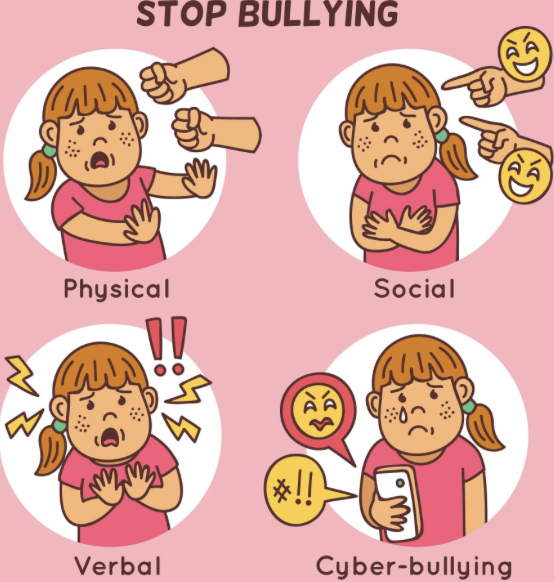
Bullying, also known as school or workplace harassment, involves repeated acts of physical, verbal, psychological, or digital violence.
Main Forms of Bullying
- Physical bullying: physical aggression or threats.
- Verbal bullying: insults, mockery, humiliation.
- Psychological bullying: isolation or manipulation.
- Cyberbullying: online harassment or humiliation through digital media.
Cyberbullying and digital rights are among the most urgent modern challenges, requiring legal updates to safeguard victims' privacy and protection in virtual environments.
Statistics and Key Data
According to surveys by Mexico’s INEGI, over 40% of students report having been bullied at school.
In the labor context, the Ministry of Labor and Social Welfare (STPS) estimates that 1 in 5 workers has experienced workplace harassment or intimidation.
These figures confirm that bullying in Mexico is not just a social concern — it is a legal and human rights issue.
Bullying in Mexico: More Than a Social Issue, a Legal One
The legal framework of bullying in Mexico partially exists under a set of general laws:
- The General Law on Education, which makes schools responsible for ensuring safe environments and handling bullying cases within their facilities.
- The Federal Labor Law, which explicitly addresses workplace harassment and sexual harassment, imposing administrative sanctions on employers who fail to prevent it.
Nevertheless, the Federal Criminal Code still lacks a specific legal category for bullying or psychological violence as independent offenses — a legal gap that leaves victims unprotected.
The Problem Exposed by the Gurrola Case
The death of Carlos Gurrola highlights the devastating consequences of legal inaction. Families face:
- Schools that minimize or hide incidents to protect their reputation.
- Companies that silence employees who report abuse.
- Authorities that delay or ignore complaints, leaving victims without real protection.
In this context, the rights of victims become secondary, while legal instruments remain complex and insufficient to deliver justice.
Legal Tools (and Their Limits)
The amparo trial —Mexico’s most powerful constitutional remedy— remains the ultimate legal tool to protect fundamental rights. Yet it is often used as a last resort, not the first line of defense.
Amparo in Bullying Cases
Families and human rights lawyers have increasingly used amparo petitions to compel schools or government authorities to act after cases of serious neglect.
However, the amparo process is complex and expensive, requiring specialized legal assistance that is out of reach for many.
The Supreme Court of Justice of the Nation (SCJN) has ruled in favor of victims in several precedents, recognizing that official inaction toward harassment constitutes a violation of human rights.
Victims’ and Families’ Testimonies
“My son reported bullying several times before being transferred to another school. Nobody did anything,” a mother recounts in an interview collected by civil organizations.Such testimonies highlight the urgent need to ensure that victims’ rights are protected from the outset through accessible and timely legal measures.
Successful Legal Reforms Abroad
Countries such as Spain and Chile have enacted criminal codes that explicitly define bullying as a punishable offense.
These legal reforms on bullying have improved prevention strategies and accountability.
Mexico could benefit from adopting similar frameworks to close its legal protection gap and ensure effective justice.
Practical Guide for Victims and Families
Steps for Victims to Take Legal Action
- Document everything: collect messages, photos, or witness statements.
- Report internally: notify school administration or company HR.
- File a formal complaint: with the local prosecutor’s office or the National Human Rights Commission.
- Seek legal advice: contact the National Human Rights Commission (CNDH) for free legal guidance and protection.
Urgent Need for Reform
Legal experts and human rights defenders emphasize the urgency of:
- Defining bullying as a criminal offense.
- Establishing mandatory response protocols for schools and workplaces.
- Providing legal and psychological assistance funded by the State.
These bullying legal reforms are essential to transform outrage into actionable justice — ensuring that victims’ protection becomes a matter of law, not privilege.
Conclusion
The tragic case of Carlos Gurrola brings bullying to the center of Mexico’s legal debate.Beyond public indignation, it reveals a systemic crisis: as of 2025, Mexico still lacks an effective legal framework to protect victims and punish aggressors.
Until the necessary reforms arrive, families will continue to rely on the amparo trial — when justice should be the norm, not the exception.