
Can I lose my house if I don’t pay a credit card in Mexico? The truth nobody tells you
When someone stops paying a credit card, the first people who show up aren’t lawyers…
They’re collection agencies, calling, texting, emailing and even visiting your home with threats of “immediate foreclosure”.
Here’s the truth most people never explain clearly:
👉 They cannot seize your house without a lawsuit.
👉 They cannot enter your home without a judge’s order.
👉 Most threats are completely illegal.
But… does a legal possibility of losing a house exist?
The answer is yes, but only under very specific circumstances.
As a legal advisor, I see this every week with clients from Mexico City, Estado de México, Guadalajara and Monterrey who arrive terrified after receiving fake “last notice of foreclosure” letters.
Let’s break it down:
Can the bank seize my house if I don’t pay a credit card?
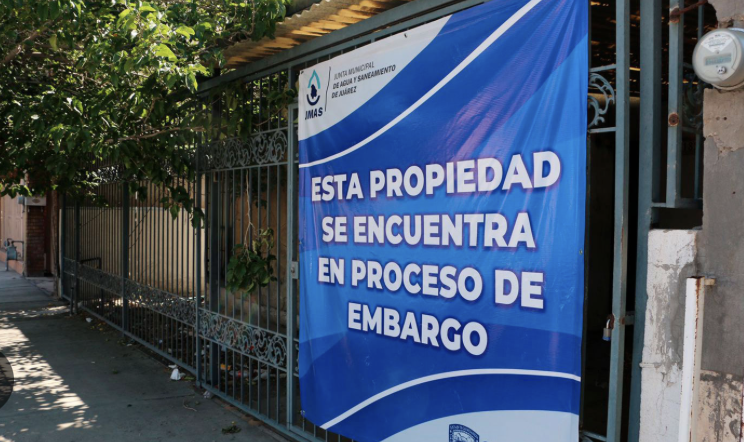
The short answer
Yes, it’s possible — but only if the bank sues you and wins a commercial lawsuit.
Collection agencies never mention this because their job is to pressure you emotionally, not explain the law.
The full answer
For your house to be seized, ALL of the following steps must occur:
- The bank must file a formal lawsuit.
- A commercial court must accept the claim.
- A judge must issue a seizure order for assets.
- An actuary (court officer) must visit your home.
- An official seizure report is drafted.
- The property later goes to auction (remate).
None of this happens “tomorrow” or “in 24 hours,” contrary to what collection agents say.
What really happens if I stop paying my credit card?
Stage 1: Extra-judicial collection (the most common)
This is where calls, threats and letters start.
Legally, they are forbidden from:
- intimidating you
- threatening jail
- threatening foreclosure without a lawsuit
- pretending to be “judicial agents”
Stage 2: Judicial collection (only some cases)
The bank evaluates whether suing you is worth it.
In reality, less than 5% of cases end in court, because:
- the process is slow
- it costs the bank money
- debts are often small compared to litigation costs
How likely is it to lose a house over a small debt?
Honestly: very unlikely.
Why?
Because if you owe $20,000, $50,000 or even $150,000 pesos, it’s simply not financially worth it for the bank to initiate a lawsuit to seize a property.
House foreclosures over credit card debt do happen, but usually only when:
Situations where seizure IS likely
- The debt exceeds $300,000 pesos.
- There has been no payment for 18–24 months.
- The bank believes you own valuable assets.
- The contract includes special guarantees (rare with credit cards).
What to do if a collection agency threatens foreclosure?
The strategy depends on where you live:
Mexico City
Authorities have documented thousands of fake foreclosure notices.
If you receive:
- “24-hour seizure” letters
- notices without an official seal
- documents without a case number
They are fake.
Estado de México
Collectors often visit homes.
Recommendation: Do NOT open the door. They cannot enter legally.
Jalisco / Monterrey
Threats via WhatsApp are common.
Take screenshots and report them to CONDUSEF.
Which assets can be seized (and which cannot)?

Assets that CAN be seized
- vehicles
- bank accounts
- furniture
- real estate (only via lawsuit)
Assets that CANNOT be seized
- your bed
- clothing
- work tools
- basic household items
- assets belonging to third parties
How to prevent a seizure if you’re already in trouble
1. Negotiate directly with the bank (not the agency)
Collectors cannot authorize discounts or settlements.
2. Request a real settlement letter (carta convenio)
It must include:
- amount
- deadline
- bank seal
- signature
- folio number
3. Do not disappear
Ignoring the bank pushes them toward suing.
4. Consider debt restructuring
Useful for very high balances.
5. If you’ve already been sued, hire a lawyer immediately
Losing by default accelerates asset seizure.